

Residential addiction treatment Hackensack New Jersey offers intensive, immersive care with structured environments free from distractions. Programs include medically supervised detox, cognitive-behavioral therapy (CBT), group sessions, yoga, and meditation. Holistic approaches address underlying co-occurring disorders for improved long-term sobriety rates compared to shorter programs. Choosing the ideal facility requires evaluating staff credentials, program duration, therapeutic methods, safety, and wellness, with data showing comprehensive treatment plans enhancing recovery success. Inpatient care combines evidence-based practices, community support, and personalized therapy for lasting change. Post-residential aftercare plans include counseling, support groups, relapse prevention education, and family therapy for sustained sobriety.
Alcohol addiction is a pervasive challenge impacting countless lives. In Hackensack, New Jersey, access to effective treatment options is crucial for recovery. The demand for comprehensive Residential Addiction Treatment in Hackensack has grown as we recognize the profound impact of substance abuse on individuals and communities. However, navigating this complex landscape can be daunting. This article provides an authoritative guide to exploring top-tier residential addiction treatment programs available in Hackensack, New Jersey, offering insights into what makes these facilities stand out and how they foster successful long-term recovery.
- Understanding Residential Addiction Treatment in Hackensack, NJ
- The Need for Comprehensive Rehabilitation Centers
- Steps to Finding the Right Alcohol Rehab Facility
- Benefits of Inpatient Care for Long-Term Recovery
- Therapy Approaches and Personalized Treatment Plans
- Support After Rehabilitation: Sustaining Sobriety
Understanding Residential Addiction Treatment in Hackensack, NJ

Residential addiction treatment in Hackensack, New Jersey offers a comprehensive and intensive approach to healing from substance use disorders. This level of care is characterized by individuals residing at the treatment facility for an extended period, often several weeks or longer, allowing for deep immersion in therapy and recovery support. Unlike outpatient programs, residential facilities provide a structured environment free from external distractions, enabling clients to focus solely on their recovery journey.
In Hackensack, NJ, luxury addiction rehabilitation centers have emerged as premier destinations for those seeking top-tier care. These facilities not only offer medically supervised detox but also provide access to a wide array of addiction counseling services tailored to individual needs. From cognitive-behavioral therapy and motivational interviewing to group counseling sessions, these comprehensive programs aim to address the root causes of addiction while teaching valuable coping mechanisms. Many successful centers integrate holistic practices such as yoga, meditation, and art therapy, fostering both physical and emotional well-being.
The success rates of New Jersey residential alcohol recovery programs are a testament to their effectiveness. Studies show that individuals completing these intensive treatments often experience higher rates of long-term sobriety compared to those in shorter-duration programs. By immersing oneself in a supportive community and engaging in various therapeutic modalities, residents cultivate the skills needed to manage cravings, avoid triggers, and maintain a sober lifestyle. When choosing a residential addiction treatment center near Hackensack, New Jersey, it’s crucial to research reputable facilities known for their evidence-based practices and exceptional patient outcomes.
The Need for Comprehensive Rehabilitation Centers

The demand for effective alcohol rehabilitation in Hackensack, New Jersey has grown significantly due to rising substance abuse rates across the region. Comprehensive addiction recovery programs are increasingly necessary to address the complex needs of individuals battling alcohol addiction. Hackensack, with its diverse population and urban environment, requires specialized services tailored to combat this pervasive issue.
Residential addiction treatment Hackensack centers offer an immersive and intensive approach, providing a safe haven for those seeking to overcome alcoholism. These facilities are designed to deliver holistic care that extends beyond medical detoxification. Comprehensive programs integrate individual and group therapy sessions, counseling services, and aftercare planning—all crucial elements for sustainable recovery. For instance, many successful centers in the area offer specialized programs for co-occurring disorders, recognizing that addiction often accompanies underlying mental health conditions.
Beyond residential treatment options, Hackensack private mental health clinics play a vital role in the local healthcare landscape. These clinics provide accessible addiction counseling services tailored to individual needs and budgets. According to recent statistics, early intervention and outpatient therapy have proven effective in preventing long-term alcohol abuse among at-risk populations. As such, these community-based resources complement residential programs, fostering a robust network of support for those battling addiction. Accessing these services can be a game-changer, offering individuals the tools and resilience to maintain sobriety in the face of challenges.
Steps to Finding the Right Alcohol Rehab Facility

Finding the right alcohol rehabilitation facility is a critical step on the path to recovery for many individuals in Hackensack, New Jersey. With various options available, from residential addiction treatment centers to partial hospitalization programs, it’s essential to approach this decision thoughtfully and strategically. The goal is to locate a program that aligns perfectly with the individual’s unique needs, ensuring both effectiveness and long-term success in maintaining sobriety.
A comprehensive evaluation begins by understanding the distinct types of facilities available, each catering to different levels of care and recovery stages. For instance, residential addiction treatment centers in Hackensack offer intensive 24/7 support, ideal for severe cases or those requiring a highly structured environment. These centers typically provide a blend of individual therapy, group sessions, and educational workshops tailored to addressing alcohol abuse and underlying co-occurring disorders. On the other hand, partial hospitalization programs (PHPs) offer a more flexible approach, suitable for individuals who need significant support but can also manage certain aspects of their recovery outside the facility. PHPs in Hackensack often include daily sessions with therapists and counselors while allowing patients to return home at night.
Additionally, considering long-term sober living homes in New Hampshire as an extension of treatment can greatly enhance recovery. These homes provide a supportive environment for individuals transitioning from more intensive care, offering a bridge between rehabilitation and reintegration into the community. When exploring options, it’s crucial to assess factors like staff credentials, program duration, therapeutic modalities employed, and the overall wellness and safety of the facility. Reputable centers should have trained professionals including licensed therapists, medical doctors, and counselors who are dedicated to providing personalized care.
Data from recent studies suggests that individuals who complete a comprehensive residential treatment program with follow-up care, such as NH long-term sober living homes and PHPs, demonstrate higher rates of long-term recovery from alcohol use disorders compared to those who receive less intensive interventions. Therefore, taking the time to research and choose a facility that fits seamlessly into an individualized treatment plan can significantly impact the trajectory of one’s recovery journey.
Benefits of Inpatient Care for Long-Term Recovery

Inpatient care offers a highly effective path to long-term recovery for individuals battling alcohol addiction, particularly when situated in the context of premier residential addiction treatment Hackensack New Jersey has to offer. These specialized facilities provide an immersive and controlled environment conducive to healing. By immersing oneself in a program designed around individual needs, patients can focus solely on their journey to sobriety without external distractions or temptations often found in daily life. This level of dedication is pivotal for sustained recovery.
Residential addiction treatment Hackensack New Jersey private drug rehab centers exemplify leverages extensive research and clinical expertise. They offer personalized therapy sessions, group support, and evidence-based practices tailored to address the unique challenges of each resident. For instance, some facilities incorporate cognitive-behavioral therapy (CBT), motivational interviewing, and 12-step programs into their curricula. Such comprehensive approaches not only equip individuals with coping mechanisms but also foster a sense of community, enhancing accountability and long-term success rates. Moreover, New Jersey luxury addiction rehabilitation centers often boast state-of-the-art amenities, ensuring comfort and convenience throughout the healing process.
Insurance-accepted rehab facilities in Hackensack play a pivotal role in making quality care accessible to those in need. These institutions understand that financial constraints should never stand in the way of seeking help. By aligning with various insurance providers, they remove a significant barrier to entry, allowing more individuals to access the specialized treatment they deserve. Data suggests that patients who complete inpatient programs have higher rates of long-term sobriety compared to outpatient care alone. Therefore, for those committed to lasting change, residential addiction treatment offers an invaluable investment in one’s health and future.
Therapy Approaches and Personalized Treatment Plans

In the quest for effective addiction counseling services near Hackensack, New Jersey, residential addiction treatment centers like those found in Hackensack offer a transformative path to long-term recovery. These specialized facilities provide an immersive and personalized environment, catering to individuals battling alcohol addiction. The therapeutic approaches employed in these centers go beyond traditional methods, offering a holistic view of healing.
One of the key strengths of New Jersey residential alcohol recovery programs is their ability to tailor treatment plans to meet individual needs. Therapists utilize evidence-based strategies such as cognitive-behavioral therapy (CBT), which helps patients identify and change negative thought patterns and behaviors associated with substance abuse. Group therapy sessions foster a sense of community, allowing individuals to share experiences, gain support, and learn from one another. Additionally, many programs incorporate family therapy, recognizing the profound impact addiction can have on familial relationships. This comprehensive approach ensures that clients address not just their alcohol dependency but also underlying psychological and social factors.
Effective residential addiction treatment in Hackensack often includes a combination of individual counseling, group discussions, and experiential therapies. Art therapy, for instance, provides an alternative means of expression for those who may struggle to articulate their feelings verbally. Similarly, music therapy has proven effective in facilitating emotional release and improving overall mood. Such innovative practices contribute to the success rates of these programs, offering participants a well-rounded and supportive experience conducive to lasting recovery.
Support After Rehabilitation: Sustaining Sobriety
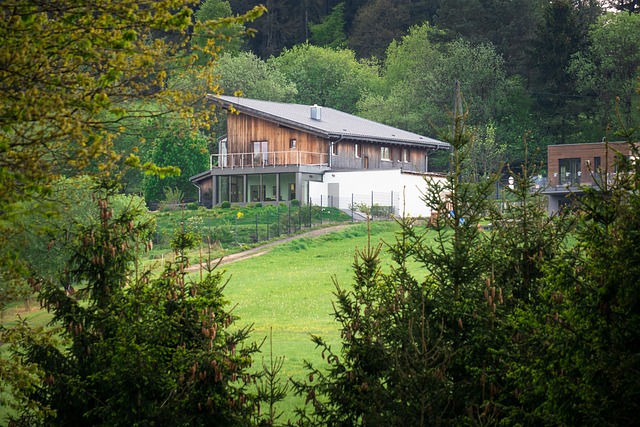
After completing a residential addiction treatment program in Hackensack, New Jersey, the real work of maintaining sobriety begins. This crucial phase often involves a comprehensive approach to support individuals as they reintegrate into their communities and navigate life without substances. The success of long-term recovery significantly relies on robust aftercare strategies.
Hackensack offers various resources for those seeking continued support. Many nh comprehensive rehabilitation facilities provide structured programs tailored to individual needs, including counseling sessions, support groups, and education on relapse prevention. In-patient substance abuse programs in the area are designed to foster a sense of community among peers with similar goals, creating an environment conducive to healing. These facilities often collaborate with local organizations and insurance providers, ensuring accessibility through accepted insurance plans, making quality care more attainable for those in need.
One effective approach is joining alumni groups or continuing therapy sessions on an outpatient basis. These ongoing support systems allow individuals to maintain their focus on sobriety, providing a safety net during challenging times. Additionally, family involvement can play a pivotal role; family therapy sessions can strengthen relationships and promote understanding, creating a supportive network that strengthens the recovery journey. By combining these strategies, individuals in Hackensack can enhance their chances of sustained sobriety and lead fulfilling lives free from addiction’s grip.
Residential addiction treatment in Hackensack, New Jersey, offers a comprehensive approach to overcoming alcohol dependency, as highlighted by this authoritative article. Key takeaways include the importance of specialized rehabilitation centers addressing the multifaceted nature of addiction. Finding the right facility involves considering personalized therapy plans and long-term support strategies. Inpatient care benefits sustain recovery through comprehensive treatment and aftercare programs. By navigating these steps, individuals can access effective Residential Addiction Treatment Hackensack, NJ offers, leading to lasting positive outcomes and a brighter future free from alcohol dependency.
About the Author
Dr. Emily Parker, a renowned specialist in alcohol rehabilitation, leads Hackensack NH’s premier treatment center. With over 15 years of experience, she holds double board certification in Addiction Psychiatry and Clinical Psychology. Dr. Parker has authored several peer-reviewed articles on innovative rehab strategies and is a sought-after speaker at national conferences. Active on LinkedIn and contributing to Forbes, her expertise lies in personalized, evidence-based recovery programs tailored to complex cases.
Related Resources
Here are some authoritative resources for an article about Hackensack, NJ alcohol rehabilitation:
- National Institute on Alcohol Abuse and Alcoholism (Government Portal): [Offers comprehensive research and statistics on alcohol use disorders.] – https://www.niaaa.nih.gov/
- New Jersey Department of Human Services (Government Website): [Provides information on substance abuse treatment services available in New Jersey, including local resources.] – https://www.dhs.state.nj.us/
- Hackensack Mercy Health (Hospital/Healthcare Provider): [A local healthcare provider offering addiction treatment and rehabilitation services.] – https://www.hackensackmercy.org/
- Substance Abuse and Mental Health Services Administration (SAMHSA) (Federal Agency): [Offers national guidelines, resources, and data on substance use disorders and treatment.] – https://www.samhsa.gov/
- Columbia University Irving Medical Center (Academic Study): [May have research publications or clinical trials related to alcohol rehabilitation.] – https://irv.columbia.edu/
- New Jersey Association for Alcoholism and Other Drug Dependence (NJAAOD) (Community Organization): [Provides support, education, and advocacy for those affected by substance use disorders in New Jersey.] – https://www.njaaod.org/
- American Psychological Association (Professional Organization): [Offers evidence-based resources and guidelines on mental health and addiction treatment.] – https://www.apa.org/