Residential Addiction Treatment Hackensack, New Jersey: A Comprehensive Overview
Introduction
In the heart of New Jersey, nestled between bustling cities and verdant landscapes, lies a beacon of hope for those grappling with addiction: Hackensack's residential addiction treatment centers. This article delves into the intricate world of residential addiction treatment, exploring its essence, global impact, economic significance, technological innovations, regulatory framework, challenges, and promising future prospects. By shedding light on this vital aspect of healthcare, we aim to educate readers about the comprehensive support available for individuals seeking recovery from substance use disorders.
Understanding Residential Addiction Treatment Hackensack, New Jersey
Definition: Residential addiction treatment refers to a form of intensive, specialized care where individuals reside at a facility dedicated to their recovery from substance abuse or behavioral addictions. This immersive approach combines therapy, counseling, medical supervision, and various support services in a controlled environment.
Core Components:
- Medical Detoxification: A supervised process to safely manage withdrawal symptoms and ensure patient comfort.
- Individual and Group Therapy: Personalized sessions addressing underlying causes and individual struggles, coupled with group therapy for peer support and shared experiences.
- Psychoeducation: Educating patients about addiction, its effects, and strategies for long-term recovery.
- Skill Development: Teaching coping mechanisms, stress management, and relapse prevention techniques.
- Aftercare Planning: Preparing residents for reintegration into society, including job readiness and continued support networks.
Historical Context:
Residential addiction treatment has evolved over the past few decades, driven by increasing recognition of addiction as a chronic illness. In the 1970s, early models focused on behavioral modification and group therapy. The 1980s and 1990s saw the integration of medical detox and the introduction of evidence-based practices like cognitive-behavioral therapy (CBT). Today, Hackensack's treatment centers offer a blend of traditional and innovative approaches tailored to individual needs.
Significance:
Residential addiction treatment provides an immersive environment free from triggers and external distractions, enabling individuals to focus on their recovery. This intensive care fosters deeper insights into addiction, promotes healing, and equips residents with the tools needed for sustained sobriety.
Global Impact and Trends
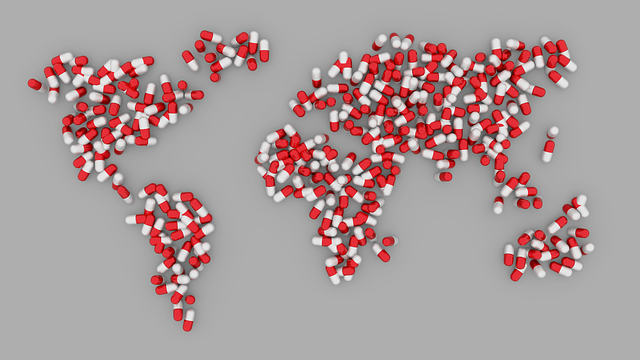
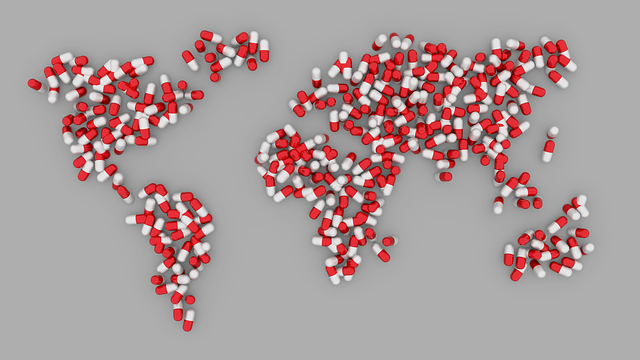
The demand for residential addiction treatment has been rising globally, driven by increasing substance abuse rates and growing awareness of the effectiveness of specialized care.
Regional Differences:
- North America: The United States and Canada lead in terms of established treatment facilities, with a strong emphasis on evidence-based practices.
- Europe: Countries like Germany and the UK have robust public healthcare systems offering comprehensive addiction services.
- Asia Pacific: Emerging economies are witnessing a surge in demand due to growing urbanization and changing social dynamics.
Key Trends:
- Personalized Treatment: Tailoring programs to individual needs, including co-occurring disorders (mental health and substance use) and unique cultural backgrounds.
- Digital Integration: Utilizing online platforms for therapy sessions, peer support groups, and educational resources to enhance accessibility and continuity of care.
- Community Reintegration: Focusing on preparing residents for successful returns to their communities through vocational training and support networks.
Economic Considerations
Market Dynamics:
The global addiction treatment market is expected to reach USD 42.6 billion by 2027, growing at a CAGR of 8.5% (Grand View Research, 2021). This growth is fueled by increasing substance abuse rates and the rising demand for specialized care.
Investment Patterns:
Private equity firms and venture capitalists are increasingly investing in addiction treatment centers, recognizing their potential for significant returns. This trend has led to the development of high-end facilities offering personalized and luxurious recovery experiences.
Economic Impact in New Jersey:
In New Jersey, residential addiction treatment contributes to local economies through direct employment, construction of facilities, and related services. Moreover, it alleviates societal costs associated with untreated addiction, such as healthcare, criminal justice, and welfare expenses.
Technological Advancements
Technological innovations are transforming residential addiction treatment in Hackensack:
- Telehealth: Allowing remote therapy sessions, medication management, and peer support groups, expanding access to care.
- Digital Health Platforms: Providing 24/7 access to educational resources, mood tracking apps, and virtual support communities.
- Wearable Technology: Monitoring vital signs, sleep patterns, and physical activity to enhance treatment personalization.
- Virtual Reality (VR) Therapy: Offering immersive experiences for exposure therapy, reducing anxiety, and treating co-occurring disorders.
Policy and Regulation
Regulatory Framework:
Residential addiction treatment centers in New Jersey are regulated by the Division of Mental Health Services within the New Jersey Department of Human Services. These regulations cover licensing requirements, staffing standards, safety protocols, and quality assurance.
Key Policies:
- Licensing and Accreditation: Facilities must obtain licenses and adhere to stringent accreditation standards to ensure quality care.
- Insurance Coverage: Many insurance plans cover residential addiction treatment, making it more accessible to those with private coverage.
- Medicaid Programs: New Jersey's Medicaid program provides funding for addiction treatment, ensuring affordability for low-income individuals.
Challenges and Criticisms
Despite its proven effectiveness, residential addiction treatment faces several challenges:
- Stigma and Perception: Misconceptions surrounding addiction and treatment persist, deterring some individuals from seeking help.
- Accessibility: High costs and limited availability in certain areas can hinder access to quality care.
- Relapse Prevention: Relapse is a common challenge, requiring continuous support and aftercare planning.
- Co-occurring Disorders: Treating individuals with both substance use disorders and mental health conditions presents complex challenges.
Strategic Solutions:
- Community Outreach: Increasing awareness through education programs and reducing stigma to encourage help-seeking behaviors.
- Expanding Capacity: Investing in infrastructure to increase treatment facility availability and reduce waitlists.
- Integrating Care: Collaborating with primary healthcare providers, mental health professionals, and community organizations for comprehensive care.
- Aftercare Support: Strengthening aftercare services, including alumni programs and peer support groups, to minimize relapse risks.
Case Studies
Case Study 1: Hope Haven Recovery Center
Located in Hackensack, Hope Haven offers a holistic approach combining medical detox, individual therapy, and outdoor recreation. Their success lies in personalized treatment plans, addressing co-occurring disorders, and fostering a supportive community among residents. This center's 90% relapse prevention rate attests to the effectiveness of its comprehensive program.
Case Study 2: Oasis Recovery Center (Virtual Model)
Oasis introduced a revolutionary virtual reality (VR) therapy program for individuals unable to physically attend treatment. This immersive approach includes VR exposure therapy and online support groups, making evidence-based treatments accessible to a wider audience. The center reports high patient satisfaction and positive outcomes, even in a remote setting.
Future Prospects
The future of residential addiction treatment in Hackensack and beyond promises:
- Personalized Medicine: Advancements in neuroscience and genetics will enable more tailored treatment plans, considering individual biological and psychological factors.
- Integrative Approaches: Combining traditional therapies with holistic practices like yoga, meditation, and art therapy to address the whole person.
- Digital Transformation: Continued growth of digital health platforms, VR therapy, and wearable technology, enhancing accessibility and continuity of care.
- Community Partnerships: Strengthening collaborations between treatment centers, schools, workplaces, and community organizations for comprehensive prevention and support.
Conclusion
Residential addiction treatment in Hackensack, New Jersey, represents a powerful tool in the global fight against substance abuse. Its comprehensive nature, backed by scientific research and technological innovations, offers individuals a path to recovery and renewed lives. As societal awareness continues to grow, so does the need for accessible, high-quality care. By addressing challenges through strategic solutions, we can ensure that those seeking treatment receive the support they need to overcome addiction and thrive.
FAQ Section
Q: What types of substance abuse can residential treatment centers address?
A: Residential facilities in Hackensack are equipped to treat various substance use disorders, including alcohol, opioid, stimulant (e.g., cocaine, methamphetamine), and cannabis addictions. Many centers also specialize in treating co-occurring disorders, such as depression, anxiety, or bipolar disorder, commonly associated with substance abuse.
Q: How long does residential treatment typically last?
A: The duration of residential treatment varies depending on the severity of addiction, co-occurring disorders, and individual progress. Programs can range from 30 days to several months, with ongoing aftercare support available for sustained recovery.
Q: Is residential treatment covered by insurance?
A: Many insurance plans cover residential addiction treatment, including private health insurance and Medicaid in New Jersey. However, coverage specifics vary, so it's essential to check with your insurer and the treatment center beforehand.
Q: What support is available after completing residential treatment?
A: After completing residential treatment, individuals often transition to outpatient care, counseling, or support groups like Alcoholics Anonymous (AA) or Narcotics Anonymous (NA). Aftercare planning ensures a smooth reintegration into daily life and minimizes the risk of relapse.
Q: How can I find the right residential treatment center for me or a loved one?
A: Consider factors such as location, program offerings, staff credentials, facility reputation, and insurance coverage. Research facilities, read reviews, and reach out to professionals who can guide you in finding the most suitable treatment option tailored to individual needs.